


Cai Mep Ha Port: Vingroup-Led Consortium Behind a VND 204.6 Trillion Superport Project
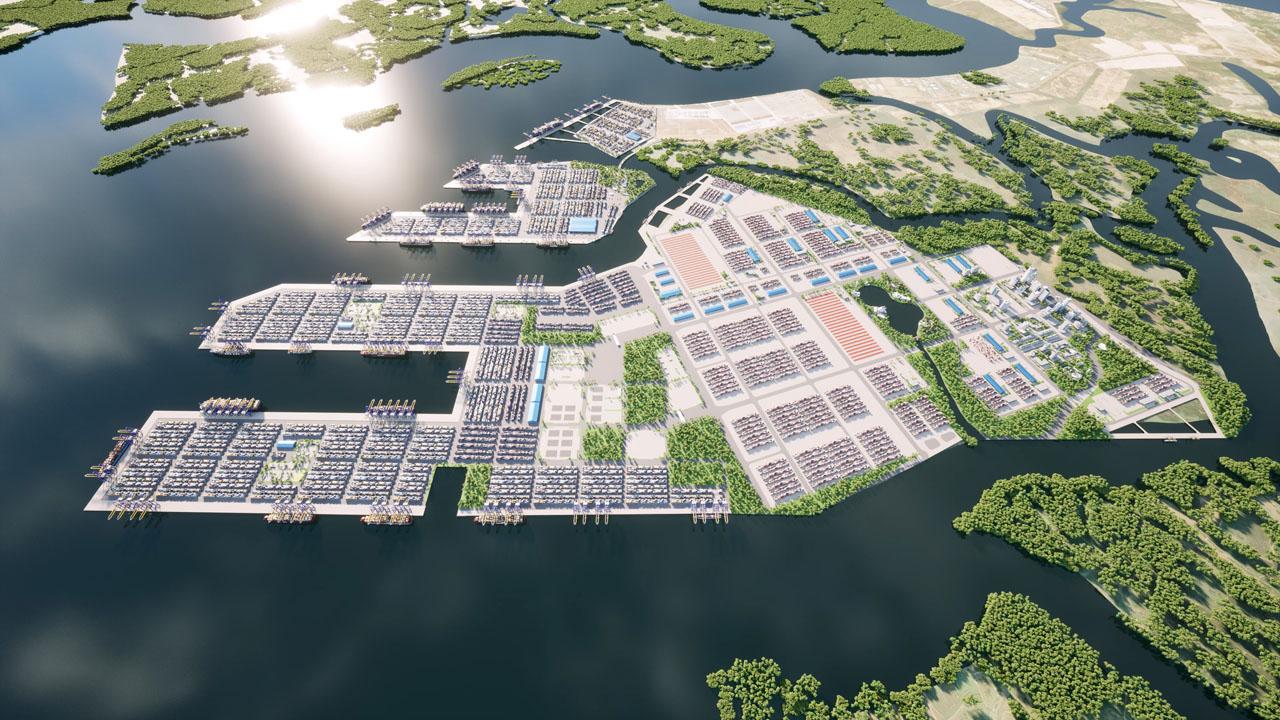
Cai Mep Ha Port is emerging as one of the most significant maritime infrastructure projects in southern Vietnam, with a total investment of approximately VND 204.658 trillion (around USD 7.9 billion). The project is planned to cover 2,537 hectares and feature 33 container berths, with a designed capacity of up to 23.4 million TEUs per year. Notably, the investment consortium is led by a company within the Vingroup ecosystem, which is also associated with the development of Vinhomes Green Paradise in Can Gio.
1. Overview of the Cai Mep Ha Port Project
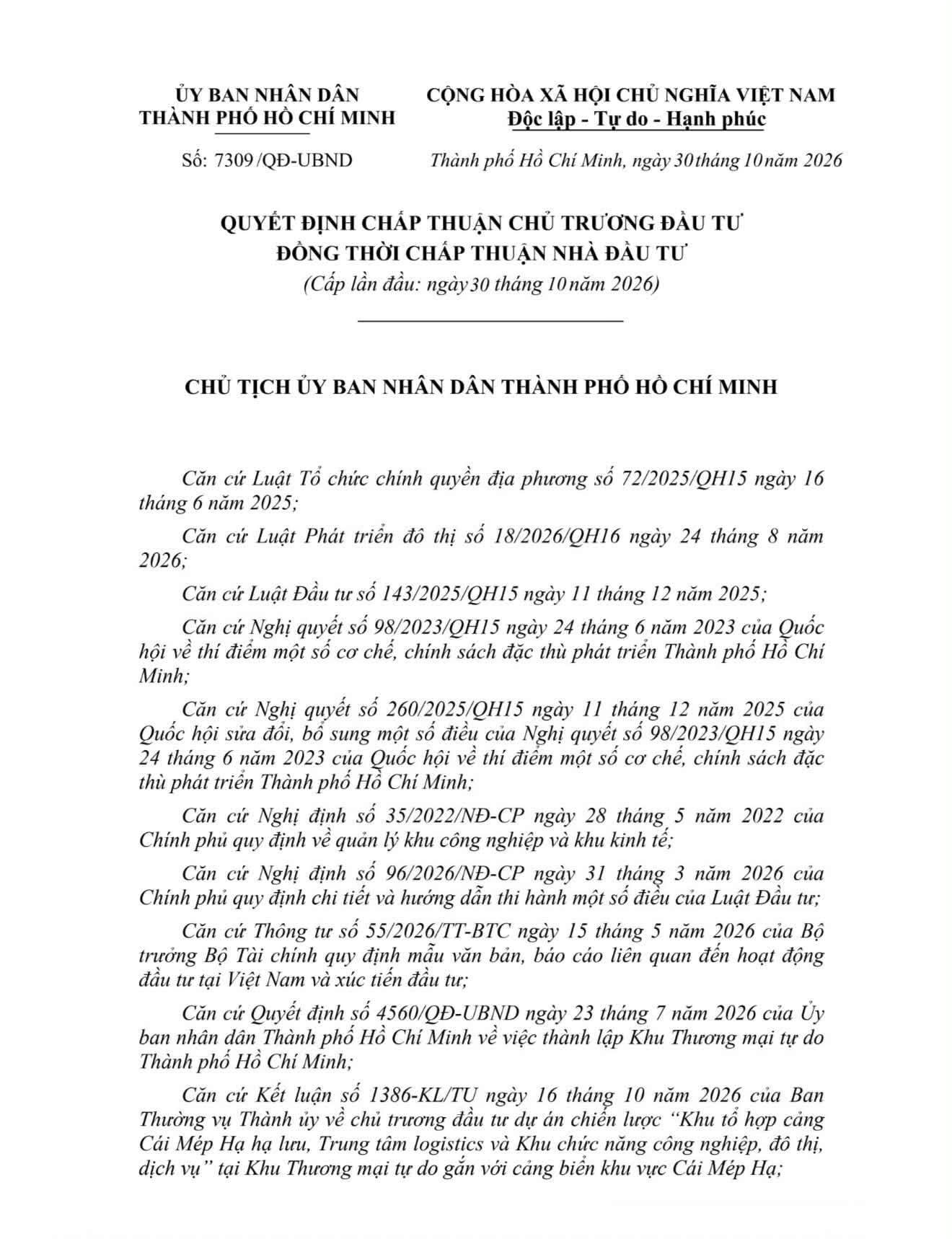
On October 30, 2026, the Ho Chi Minh City People’s Committee issued Decision No. 7309, granting in-principle investment approval and approving the investor for the Cai Mep Ha Downstream Port Complex, Logistics Centre, and Industrial, Urban and Service Functional Areas project.
This is a large-scale development in the Cai Mep Ha area, covering approximately 2,537 hectares. The project is located in Tan Phuoc and Tan Hai wards, in the former Ba Ria–Vung Tau area.
The estimated total investment is VND 204.658 trillion, equivalent to nearly USD 7.9 billion. Of this amount, more than VND 153.5 trillion is allocated specifically to the container port area.
The project goes beyond the development of conventional port infrastructure. Its master plan also includes a logistics centre and designated industrial, urban and service areas. The development is intended to create an integrated economic complex connected to maritime transportation, cargo circulation and manufacturing activities.
Cai Mep Ha Port Project Overview
| Item | Information |
|---|---|
| Project name | Cai Mep Ha Downstream Port Complex, Logistics Centre, and Industrial, Urban and Service Functional Areas |
| Location | Tan Phuoc and Tan Hai wards, former Ba Ria–Vung Tau area |
| Total area | Approximately 2,537 hectares |
| Total investment | VND 204.658 trillion |
| Container port investment | More than VND 153.5 trillion |
| Port area | Approximately 780 hectares |
| Number of berths | 33 |
| Total quay length | Approximately 12 km |
| Designed capacity | 23.4 million TEUs/year |
| Vessel accommodation capacity | Vessels of up to 250,000 DWT |
| Expected operation of first three berths | July 2031 |
| Expected full operation | July 2036 |
Given its substantial investment scale, Cai Mep Ha is considered one of the notable seaport infrastructure projects in southern Vietnam. It is also associated with the broader development strategy for a logistics centre and free trade zone in the Cai Mep area.
2. Vingroup Behind the Five-Member Investor Consortium for Cai Mep Ha Port
The project’s significance lies not only in its total investment value. Another aspect attracting market attention is the company representing the investor consortium.
According to the information provided, the project is being developed by a consortium of five companies, represented by Can Gio Tourism Urban Joint Stock Company. This is also the company implementing the Vinhomes Green Paradise project in Can Gio.
Notably, based on indirect ownership interests, Vinhomes is estimated to hold approximately 99.57% of the economic benefits associated with this company.
This indicates the presence of the Vingroup ecosystem in a sector that differs from the real estate activities for which the group is more widely known.
Vingroup’s Key Milestones in the Project
The project’s proposal and development process has included several notable milestones:
- June 2025: Vingroup submitted the project proposal to the Ministry of Finance.
- March 2026: The five-member investor consortium took over and resubmitted the investment proposal.
- October 30, 2026: The Ho Chi Minh City People’s Committee issued Decision No. 7309, granting in-principle investment approval and approving the investor.
The involvement of a company within the Vinhomes ecosystem as the consortium’s leading representative in a large-scale seaport development marks a new direction for the group’s participation in infrastructure and logistics.
However, it is important to distinguish the roles of the individual companies within the consortium. Vinhomes’ indirect economic interest in the representative company does not mean that Vinhomes directly undertakes all investment, construction and port operation activities.
Distinguishing the VND 204 Trillion Cai Mep Ha Project from the Separate VND 50.8 Trillion Port Project
One point that may cause confusion is that another seaport project, with a total investment of more than VND 50.8 trillion, is also planned in the Cai Mep Ha area.
This separate project belongs to a consortium involving Geleximco, ITC and SCIC. It is located in a different planning subdivision and is not the VND 204 trillion project represented by Can Gio Tourism Urban Joint Stock Company.
Distinguishing between the two projects is essential when assessing the seaport development plan for the area, as each has its own investors, scale and development scope.
3. Cai Mep Ha Port’s Scale: 33 Berths and a Capacity of 23.4 Million TEUs
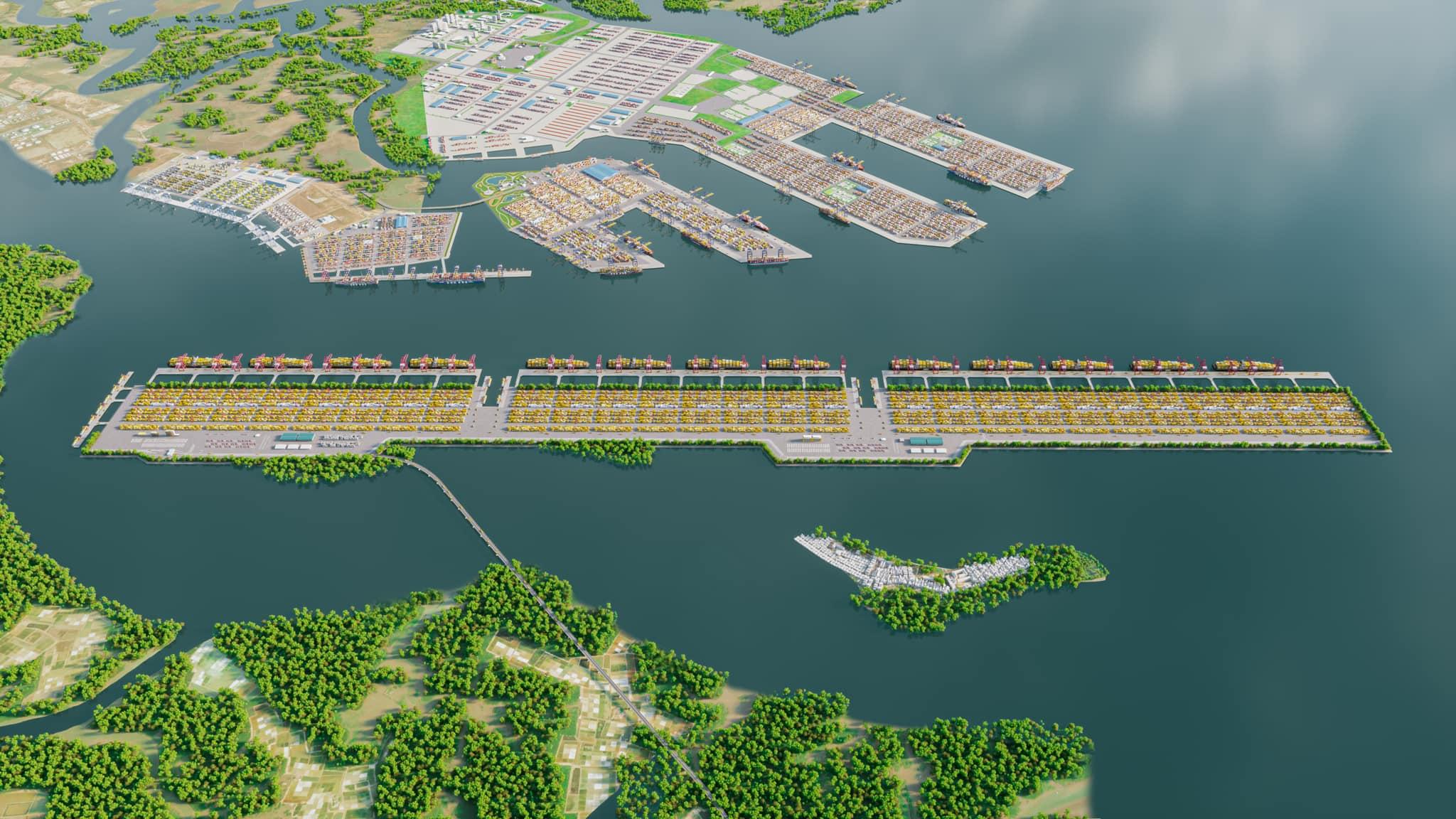
The most prominent feature of the project is the scale of its container port area. According to the environmental impact assessment report referenced in the source material, this area covers approximately 780 hectares.
Of this total, around 594 hectares are land area and approximately 186 hectares are water surface.
The entire port complex is planned to include 33 berths, with a combined quay length of approximately 12 kilometres. Once completed, the port is expected to accommodate container vessels of up to 250,000 DWT, equivalent to a carrying capacity of approximately 24,000 standard containers, according to the project information.
The designed capacity of the entire port area is expected to reach 23.4 million TEUs annually.
TEU stands for Twenty-foot Equivalent Unit. It is the standard measurement used to quantify container port capacity and throughput.
How Large Is Cai Mep Ha Port?
To better understand the project’s scale, its planned capacity can be compared with the container throughput of several major port centres.
According to the reference figures provided:
| Port area | Container throughput / capacity |
|---|---|
| Cai Mep–Thi Vai port complex in 2024 | Approximately 6.5 million TEUs |
| Cai Mep Ha project upon completion | 23.4 million TEUs/year |
| Singapore in 2024 | Approximately 41 million TEUs |
The designed capacity of Cai Mep Ha alone would therefore be more than three times the container throughput recorded by the Cai Mep–Thi Vai port complex in 2024.
Compared with Singapore, the planned capacity of 23.4 million TEUs would represent more than half of the city-state’s container throughput in 2024.
However, it is important to note that this comparison places planned designed capacity alongside the actual annual throughput of operating ports. These are not entirely equivalent indicators.
Port Equipment and Operating Technology
In addition to its extensive quay infrastructure, the project is expected to invest in equipment for container handling and transportation.
According to the referenced report, the planned equipment system includes:
- 165 quay gantry cranes along the berths.
- Approximately 400 yard cranes, using electric power or automated technology.
- Around 550 electric or autonomous terminal tractors.
- 32 automated gate lanes.
These systems will support container reception, transportation and stacking operations within the port area.
Beyond cargo handling, the port complex is also expected to provide maritime services such as ship repair, pilotage, tugboat assistance and fuel supply.
These services are essential to maritime transportation and are expected to contribute to the development of a broader maritime service ecosystem alongside the port’s core container-handling functions.
Large-Scale Land Reclamation and Dredging Requirements
With a development area spanning hundreds of hectares, site preparation is one of the project’s major construction components.
According to the report, the project requires approximately 28 million cubic metres of filling material. Of this volume, around 14 million cubic metres are expected to be sourced from dredging activities in the waters in front of the berths.
These figures demonstrate the extensive scale of port infrastructure construction. At the same time, dredging and land reclamation are important environmental considerations that require careful assessment during the environmental approval process and project implementation.
4. Cai Mep Ha Port Construction Timeline: When Will the First Vessel Arrive?
Although the project has received in-principle investment approval and investor approval, Cai Mep Ha Port has not yet commenced construction, according to the source material provided.
The environmental impact assessment report is still undergoing consultation. Therefore, the following milestones should be understood as proposed timelines rather than confirmed operational dates.
Expected Project Development Phases
According to the schedule outlined in the report, the project is expected to be implemented in several phases:
| Timeline | Planned development milestone |
|---|---|
| January 2027 – December 2030 | Initial construction phase, including three berths |
| July 2031 | Expected commencement of operations at the first three berths |
| 2031 – 2035 | Continued construction of the remaining 30 berths |
| July 2036 | Expected full operation of the entire project |
If the schedule proceeds as planned, the first berths could begin operations in July 2031.
All 33 berths are expected to be completed and operational by July 2036.
This means that the project will require an extended period to complete its entire infrastructure system. From the initial investment approval to full operation, the development process could take nearly ten years.
Why Does Cai Mep Ha Port Require Such a Long Development Timeline?
A large-scale seaport project involves much more than constructing berths and quay facilities.
The implementation process also includes site preparation, land reclamation, dredging, technical infrastructure construction, equipment installation and the completion of operating systems.
In addition, the project must meet environmental requirements and complete relevant procedures before individual construction components can proceed.
Therefore, July 2031 is the expected commencement date for the first three berths, not the completion date of the entire port.
5. How Are Cai Mep Ha Port and Can Gio International Transshipment Port Different?
A question frequently raised is: If Ho Chi Minh City is already planning to develop Can Gio International Transshipment Port, why is another large-scale port complex needed at Cai Mep Ha?
According to the seaport planning orientation referenced in the source material, the two locations are intended to serve different roles.
Can Gio Port is planned as an international transshipment hub. It is expected to accommodate mother vessels, with containers transferred to other vessels for onward transportation to their next destinations.
Meanwhile, Cai Mep Ha Port is planned as a gateway port combined with transshipment functions. It is intended to serve import-export cargo from southeastern Vietnam and the Mekong Delta, while connecting with the logistics network, road and rail infrastructure, and the free trade zone behind the port.
In simple terms:
- Can Gio: Focuses on international container transshipment.
- Cai Mep Ha: Aims to serve as an import-export gateway combined with transshipment operations.
Comparison of Cai Mep Ha Port and Can Gio Port
| Criteria | Cai Mep Ha | Can Gio |
|---|---|---|
| Development orientation | Gateway port combined with transshipment | International transshipment port |
| Primary role | Serving import-export cargo and transshipment | Accommodating mother vessels and transferring containers |
| Hinterland connectivity | Logistics, free trade zone, roads and railways | Focus on international transshipment operations |
| Referenced total project investment | VND 204.658 trillion | Nearly VND 129 trillion |
| Planned capacity | 23.4 million TEUs/year | 16.9 million TEUs by 2047 |
The investor consortium referenced for the Can Gio International Transshipment Port includes a company associated with shipping group MSC, VIMC and Saigon Port.
The project’s planned capacity is expected to reach 16.9 million TEUs by 2047.
If the designed capacities of the two projects are combined, their total potential capacity could reach approximately 40.3 million TEUs annually.
This figure is close to Singapore’s container throughput in 2024. However, it represents the combined planned capacity once both projects reach their full development scale, not their current operating throughput.
Will Cai Mep Ha and Can Gio Complement Each Other or Compete Directly?
From a planning perspective, Cai Mep Ha and Can Gio could complement each other by taking on different roles within the maritime transportation chain.
However, the distinction between gateway ports and transshipment ports is not entirely clear-cut.
Cai Mep Ha will also handle transshipment activities. Conversely, Can Gio Port may also face operational considerations regarding the scope of cargo it serves.
Therefore, if both projects develop large-scale handling capacity, cargo allocation and competition between ports will be important factors to monitor.
Their actual effectiveness will depend on their ability to attract shipping lines, secure cargo volumes, establish efficient hinterland connections and operate effectively.
6. Cai Mep Ha in the Free Trade Zone Plan and the Coastal Economic Ecosystem
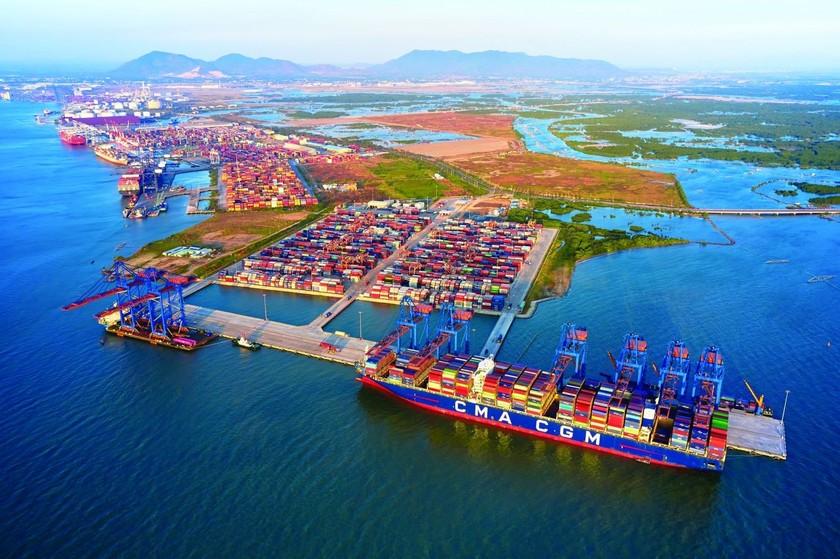
Cai Mep Ha Port is not an independent development project. It forms part of a broader planning vision for the southern coastal area of Ho Chi Minh City.
In July 2026, Ho Chi Minh City established a free trade zone covering approximately 4,174 hectares around the Cai Mep Ha area. The port area developed by the five-member investor consortium is one component of this broader development orientation.
The free trade zone is planned to connect with the seaport system, logistics infrastructure and designated industrial and service areas.
This creates the foundation for an integrated supply chain, covering cargo reception, warehousing, distribution, transportation and import-export activities
Cai Mep Ha Port’s Connection with Vinhomes Green Paradise in Can Gio
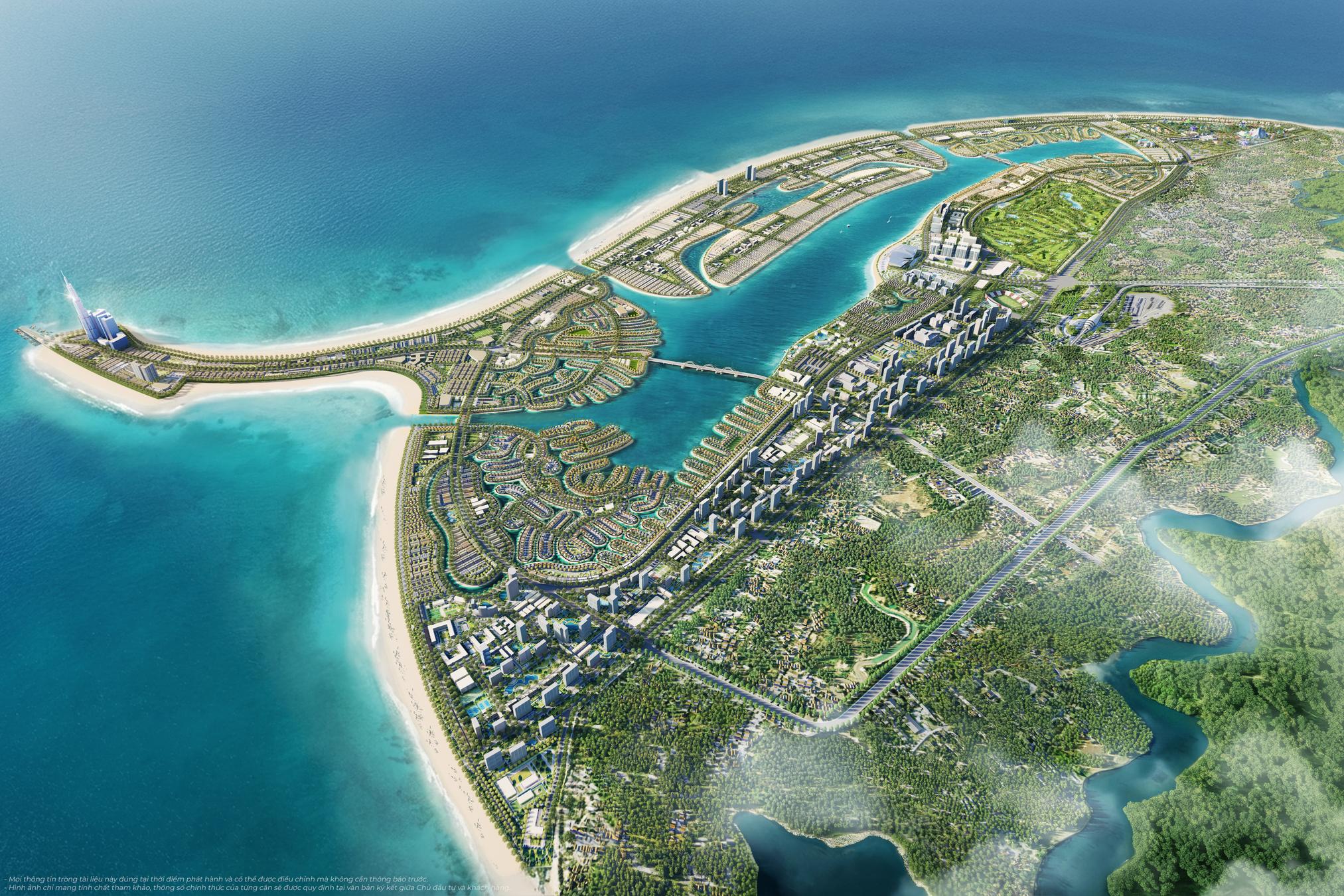
Across Ganh Rai Bay lies Can Gio, where the Vinhomes Green Paradise project is being developed across an area of approximately 2,870 hectares.
In addition, the Can Gio–Vung Tau sea-crossing route commenced construction in early July 2026, according to the source material.
The two areas have different development orientations:
- Can Gio: Focuses on urban development, tourism and services.
- Cai Mep Ha: Focuses on seaports, logistics and industrial activities.
Connectivity between these areas could create a broader coastal economic development zone, with transportation infrastructure and maritime logistics playing important roles.
Notably, companies within the Vingroup ecosystem are present in both areas. This has drawn market attention to the group’s potential expansion strategy across different business sectors.
However, it is important to distinguish between the potential benefits of integrated planning and actual economic performance. These benefits can only be assessed more clearly once the projects are completed, begin operating and generate real cargo flows.
7. What Does Cai Mep Ha Port Mean for the Real Estate and Logistics Markets?
The development of a large-scale seaport complex could create impacts beyond the maritime transportation industry.
First, port and logistics infrastructure could stimulate demand for warehousing, transportation, freight services and related industrial activities.
As port operations expand, demand for labour, commercial services and supporting infrastructure may also increase.
For the real estate market, the development of economic infrastructure could provide additional growth drivers for areas with convenient connectivity.
However, the impact will vary across different property segments. Industrial real estate, logistics facilities, commercial properties and residential developments may be affected in different ways.
In particular, approval of a major port project should not automatically be interpreted as an immediate increase in surrounding property prices.
The actual impact will also depend on implementation progress, the ability to attract businesses, real demand and the completion of supporting transport infrastructure.
8. Key Factors to Monitor During the Development of Cai Mep Ha Port
Although the project has received in-principle investment approval and investor approval, several important milestones remain ahead.
Key factors to monitor include:
First, environmental procedures. The environmental impact assessment report must be completed before relevant project components can proceed.
Second, capital mobilization capacity. With a total estimated investment exceeding VND 204 trillion, securing and allocating the necessary financial resources will be a major consideration.
Third, construction progress. The target of commencing operations at the first three berths in July 2031 remains a proposed milestone. Actual progress will depend on the completion of procedures and construction activities.
Fourth, the ability to attract shipping lines and cargo volumes. Large-scale port infrastructure can only deliver its intended benefits when supported by sufficient cargo throughput and suitable customers.
Fifth, coordination with other ports in the region. Cai Mep Ha, Can Gio and existing port facilities will need clearly defined roles and effective coordination to improve the performance of the entire port network.
9. Cai Mep Ha Port: Vingroup’s New Move into Seaport Infrastructure
Cai Mep Ha Port is a major infrastructure project with an estimated investment of more than VND 204.658 trillion, covering approximately 2,537 hectares and featuring a planned designed capacity of 23.4 million TEUs annually.
One of its most notable features is the participation of a five-member investor consortium represented by a company within the Vinhomes ecosystem. The project signals an important new direction for Vingroup-related businesses, expanding their presence from real estate and urban development into seaport infrastructure and logistics.
However, investment approval is only the beginning. The project still needs to complete relevant procedures, mobilize substantial capital and demonstrate its operating capabilities in a competitive market.
If implemented according to its development orientation, Cai Mep Ha could become an important link in southern Vietnam’s logistics network and coastal economic system in the future.
OFFICIAL DISTRIBUTION BY 168 PROPERTY
168 Property is proud to be an official distributor of the Vinhomes Green Paradise project, supporting investors throughout every stage of consultation, transactions and post-sales asset management.
With an experienced team of professionals, in-depth market knowledge and multilingual support, 168 Property is committed to providing international investors with a transparent, professional and investment-oriented transaction experience.
Contact 168 Property today to explore investment opportunities in Ho Chi Minh City’s real estate market.
- Website: www.168property.vn
- Consultation hotline: 0932.698.168
- Email: info@168property.vn
- Learn more about the projects: www.property168.vn


Leave a Reply